Why the process behind a beautiful home matters just as much as the design itself.
When people think about hiring an interior designer, they often picture the exciting parts: beautiful material selections, thoughtfully furnished rooms, detailed renderings, and eventually, a finished home that feels entirely their own.
And while those are certainly some of my favorite parts of the job, they represent only a fraction of what goes into a full-service interior design project.
Behind every finished space are hundreds of decisions, conversations, drawings, approvals, orders, and sometimes unexpected challenges that require attention long before the homeowner gets to enjoy the result.
At RDM Interiors, I’ve built our process around one central idea: the experience of creating your home should be just as thoughtfully designed as the home itself.
Our clients hire us for our design expertise, but they also trust us to lead the process, respect their investment, protect their time, and guide their project from the initial vision to the finishing details.
Here’s what that looks like behind the scenes.
It Starts With a Conversation About Your Life and Your Investment
Before we discuss cabinetry finishes, furniture styles, or paint colors, we need to understand what you’re trying to accomplish.
How does your family live? What isn’t working in your current space? What do you want to feel when you walk through the door? What is your timeline, and just as importantly, what is the investment you’re comfortable making?
Budget is part of our conversation from the very beginning because I believe a transparent relationship creates a better design experience.
There’s little value in presenting a beautiful vision that requires an investment you never intended to make. Instead, we want to understand your priorities early, establish realistic expectations, and make design decisions that support the budget we’ve discussed.
As the details develop and pricing is confirmed, we continue to evaluate selections against that investment. This allows us to make thoughtful decisions along the way rather than discovering late in the process that significant changes are necessary.
A realistic budget doesn’t limit creativity. It gives the design direction and helps us focus resources where they will make the greatest impact.
Design Concept: Creating the Vision Before Making the Selections
Once we understand the scope and priorities, we begin developing the overall design direction.
This is where inspiration becomes a cohesive concept through mood boards, material palettes, spatial planning, and conversations about how the home should look and function.
It’s tempting to jump straight into individual selections, especially when there are so many beautiful products available. But choosing a countertop, light fixture, or sofa without first establishing the larger vision can lead to disconnected decisions, unnecessary revisions, and purchases that don’t ultimately work together.
We approach the home as a whole, even when the project focuses on just a few rooms. Our goal is to establish a clear direction that guides every decision that follows.
Clients are involved in reviewing and approving this vision, but they don’t need to spend their evenings searching through hundreds of options. That’s part of the work they’ve hired us to do.
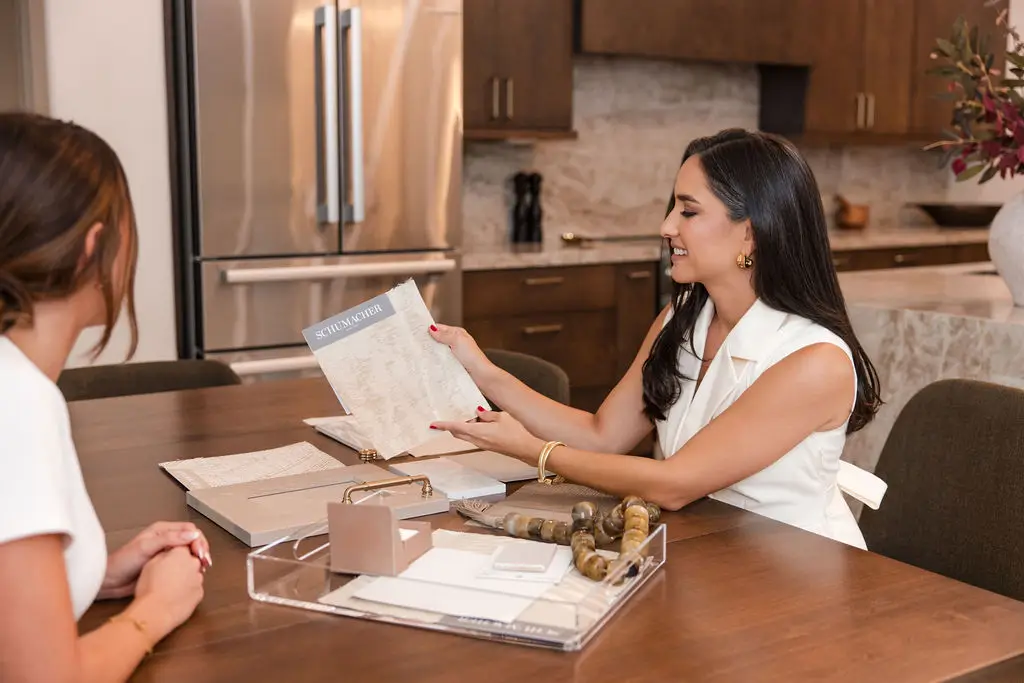 RDM Interiors Mariana Neumann Principal Designer
Design Development: Where the Details Come Together
With the concept approved, we move into the technical and detailed work that turns the vision into something that can actually be built, purchased, and installed.
Depending on the project, this may include floor plans, cabinetry elevations, finish selections, appliance specifications, lighting plans, furniture layouts, detailed schedules, and a comprehensive specification book.
We consider how materials transition from one space to another, whether cabinetry accommodates the selected appliances, how furniture will fit within a room, and how individual details work together.
A beautiful rendering is exciting, but it isn’t enough on its own. Builders, cabinetmakers, installers, and vendors need clear information to execute the design.
This stage requires careful planning because decisions made on paper are generally easier and less expensive to adjust than decisions discovered after construction begins.
It’s also why we ask clients to review presentations and provide approvals within established timelines. Each phase builds on the one before it, and timely decisions help us maintain momentum and coordinate effectively with everyone involved.
Behind the Scenes: Working With Builders and Trades
One of the most important parts of our work happens during construction, often outside of the client’s view.
Even with thoughtful planning, construction is rarely a perfectly predictable process. Site conditions can differ from drawings, materials may arrive with unexpected variations, and technical questions can arise once work is underway.
When these situations happen, our first step is to work directly with the builder or appropriate trade to understand the issue and explore solutions that protect the design intent, budget, and schedule wherever possible.
Sometimes that means reviewing a cabinetry detail, evaluating an alternative material, or finding a practical solution to an unforeseen site condition.
Our goal is to resolve as much as we reasonably can with the professionals involved, rather than passing every question or challenge along to the homeowner.
Of course, some decisions require client input, particularly when they affect the investment, timeline, or an important design preference. When that happens, we want to present the situation clearly, explain the available options, and help the client make an informed decision.
I believe protecting a client’s peace of mind is part of the service we’re providing.
That doesn’t mean shielding clients from important information. It means respecting their time by bringing them into conversations when their involvement is truly valuable.
Procurement: What Happens After You Approve the Furniture
For furnishings projects, the work continues well beyond selecting beautiful pieces.
Once selections are approved, we coordinate purchasing, monitor availability and lead times, communicate with vendors, and plan for receiving, delivery, and installation.
Furniture can be delayed, damaged in transit, or unexpectedly discontinued. Sometimes a piece that was available during the design presentation is no longer available when it’s time to place the order.
When that happens, we work through the available options, evaluate replacements, coordinate claims when necessary, and communicate changes that require client approval.
We also use a dedicated client dashboard to organize selections, approvals, and important project information. This gives clients a central place to review decisions while allowing our team to manage the many details happening in the background.
The goal is to make the process feel organized and manageable, even when the logistics behind it are complex.
Installation: Bringing the Entire Vision Together
Installation is where months of planning begin to take shape in the actual space.
We coordinate deliveries, oversee furniture placement, work through installation details, and layer in artwork, lighting, accessories, and the finishing touches that make a room feel complete.
It’s also the point where all the earlier decisions reveal their value. The scale of the furniture, the relationship between materials, the lighting, and the overall flow of the space come together.
There may still be outstanding items to address, and part of our responsibility is identifying those details and working toward a thoughtful project completion.
For clients, this should be one of the most rewarding parts of the experience. They’ve been part of the important decisions, but they haven’t had to personally manage every step required to get there.
A Successful Project Requires Trust on Both Sides
I often think about the relationship between a designer and a homeowner as a partnership.
Our responsibility is to bring expertise, creativity, organization, transparency, and a genuine commitment to the outcome. We advocate for our clients, communicate with the professionals involved, and do everything reasonably within our role to help bring their vision to life.
In return, the most successful projects are built on trust, timely communication, patience, kindness, and mutual respect.
Construction involves many people and moving parts. Some circumstances are outside anyone’s control, and despite everyone’s best efforts, mistakes can happen. What matters is how we respond, communicate, take responsibility where appropriate, and work together toward a solution.
I don’t believe a great client experience requires pretending every project will be perfect. I believe it requires having the right people involved, a clear process to guide decisions, and a shared commitment to navigating challenges professionally.
That’s the kind of relationship we work to create at RDM Interiors.
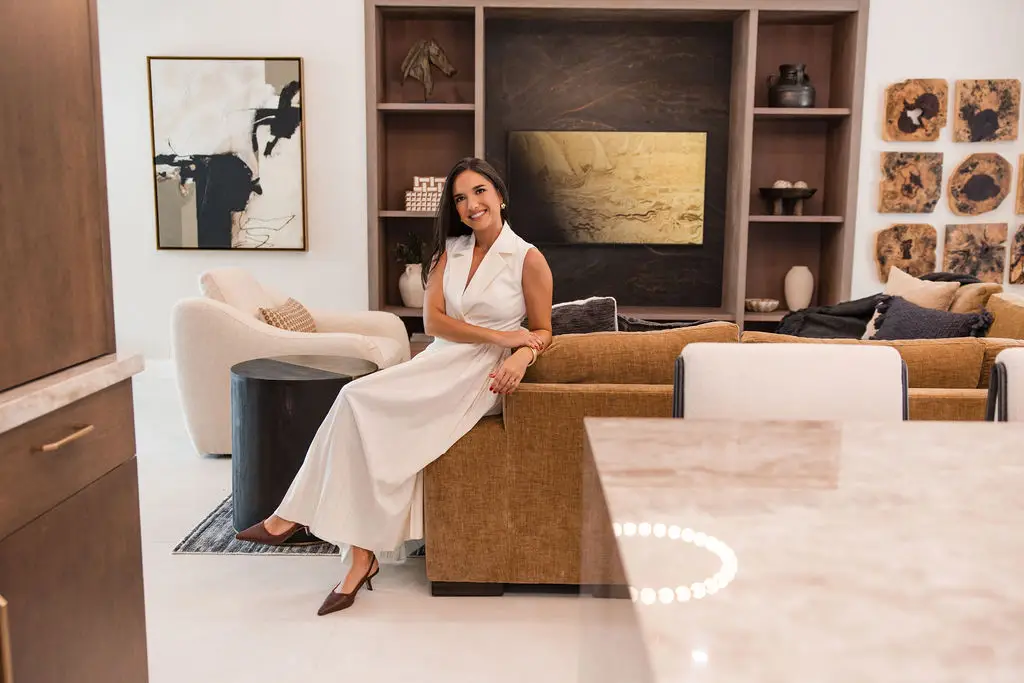
More Than a Beautiful Design
When you hire a full-service interior designer, you’re investing in much more than a collection of beautiful selections.
You’re investing in a structured process that helps you make informed decisions, avoid unnecessary rework, manage your investment, and move through a complex project with greater clarity.
You’re also gaining a partner who understands the vision, knows the details, communicates with the people responsible for bringing it to life, and cares deeply about the finished result.
One of the most meaningful compliments I’ve received came from a client, Lindsey Stevens, who shared this about her experience working with RDM Interiors:
“She kept me informed and involved, but also handled everything so efficiently that I could sit back and trust her expertise.”
Lindsey Stevens, RDM Interiors Client
Reading those words reminded me exactly why I’ve put so much thought into building our process. Of course, I want my clients to love their homes. But I also want them to look back on the experience and feel that they were supported, heard, and genuinely cared for throughout the journey.
Because at the end of the day, I don’t just want to design a home you’re proud of. I want you to feel good about the journey that brought you there.
If you’re planning a new build, renovation, or whole-home furnishing project in Lakewood Ranch, Sarasota, Bradenton, or the surrounding Tampa Bay area, I’d love to hear what you’re dreaming up.
Explore Our Full-Service Interior Design Services to learn more about how we work, or Schedule a Discovery Call so we can talk about your project.

