
Last month, I shared something that tends to surprise people building a new home: for a three-bedroom production home, I would plan to have at least $100,000 available beyond the builder selections to finish the home, and potentially closer to $200,000 for a larger four- or five-bedroom home with additional living spaces.
If your first thought was, How could it possibly cost that much to furnish a house? this is the conversation that comes next.
After building three homes myself, I understand how easy it is to focus almost entirely on the construction budget. You spend months making decisions about cabinetry, flooring, countertops, tile and plumbing, and by the time you get to closing, it feels like the house should be finished.
Then you move in.
The living room needs more than a sofa. The windows need treatments. The dining room needs furniture and lighting. The primary bedroom needs nightstands, a rug and bedding. The walls need artwork. The closets have a single shelf and rod.
Suddenly, the list of things you planned to “do later” becomes another significant investment.
There is a meaningful difference between a house being move-in ready and a home feeling finished.
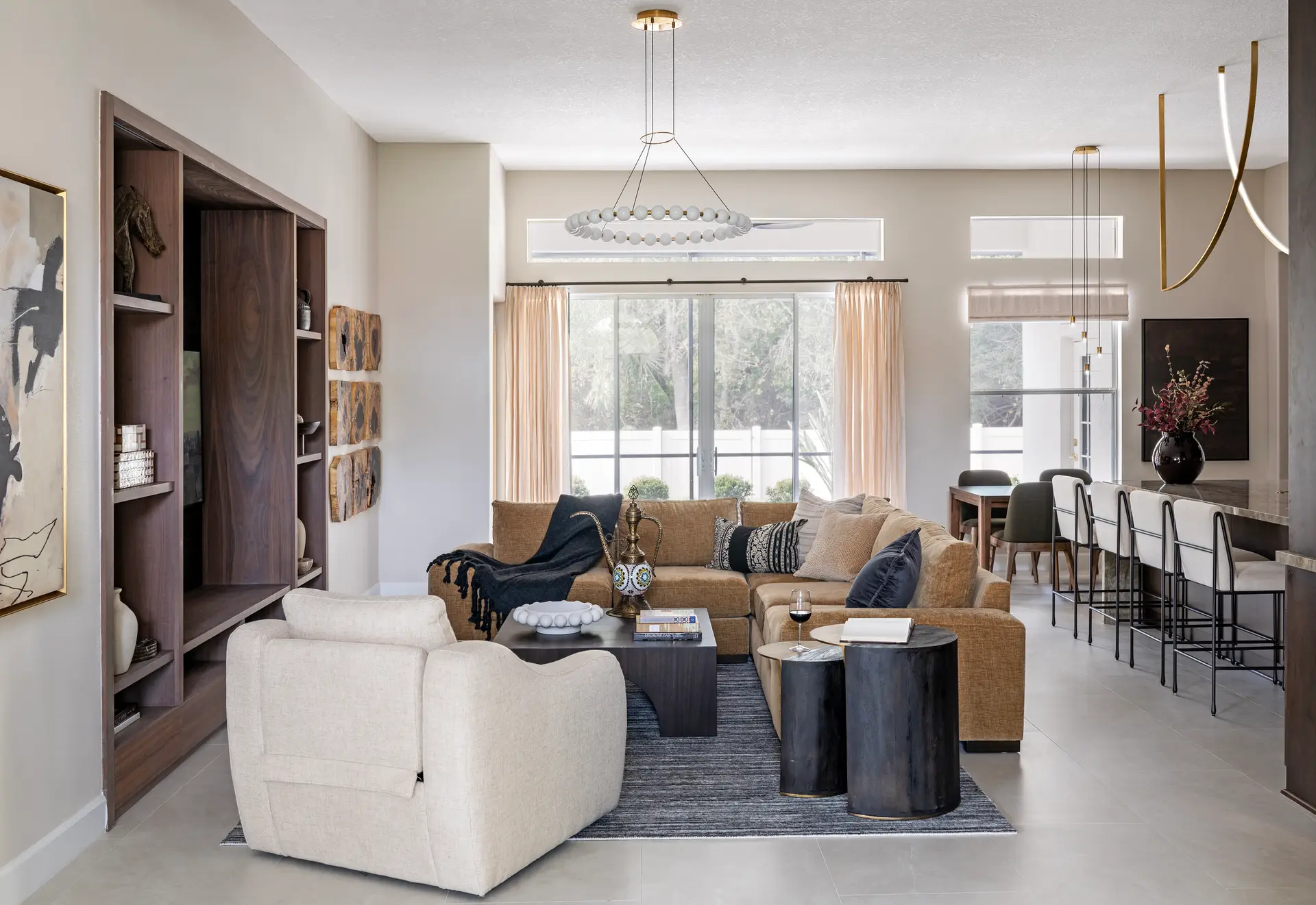
The Builder Finishes the House. Furnishings Finish the Home.
When most people think about a furnishing budget, they start with the obvious pieces: a sofa, dining table, beds and maybe a few chairs. But those pieces are only the beginning of what creates a complete room.
A living room may also need additional seating, tables, a rug, lighting, artwork, window treatments, pillows and accessories. A bedroom is not simply a bed and two nightstands. A dining room isn’t finished when the table arrives.
This is why I encourage clients to think about their construction and furnishings budgets together, rather than treating furnishings as something they will figure out once the house is complete.
What Does It Actually Cost to Furnish a Room?
There is no universal number. The size of the room, quality of the furnishings, level of customization, style of the home and pieces you already own can all change the investment.
For planning purposes, a complete living room might fall somewhere around $15,000 to $25,000+. A primary bedroom could require $10,000 to $20,000+, while a dining room might require $12,000 to $25,000+.
These ranges are not hard rules or minimums. They are meant to show why a whole-home furnishing budget adds up faster than expected.
An $8,000 sofa may sound like a substantial purchase, and it is. But it doesn’t furnish a living room by itself.
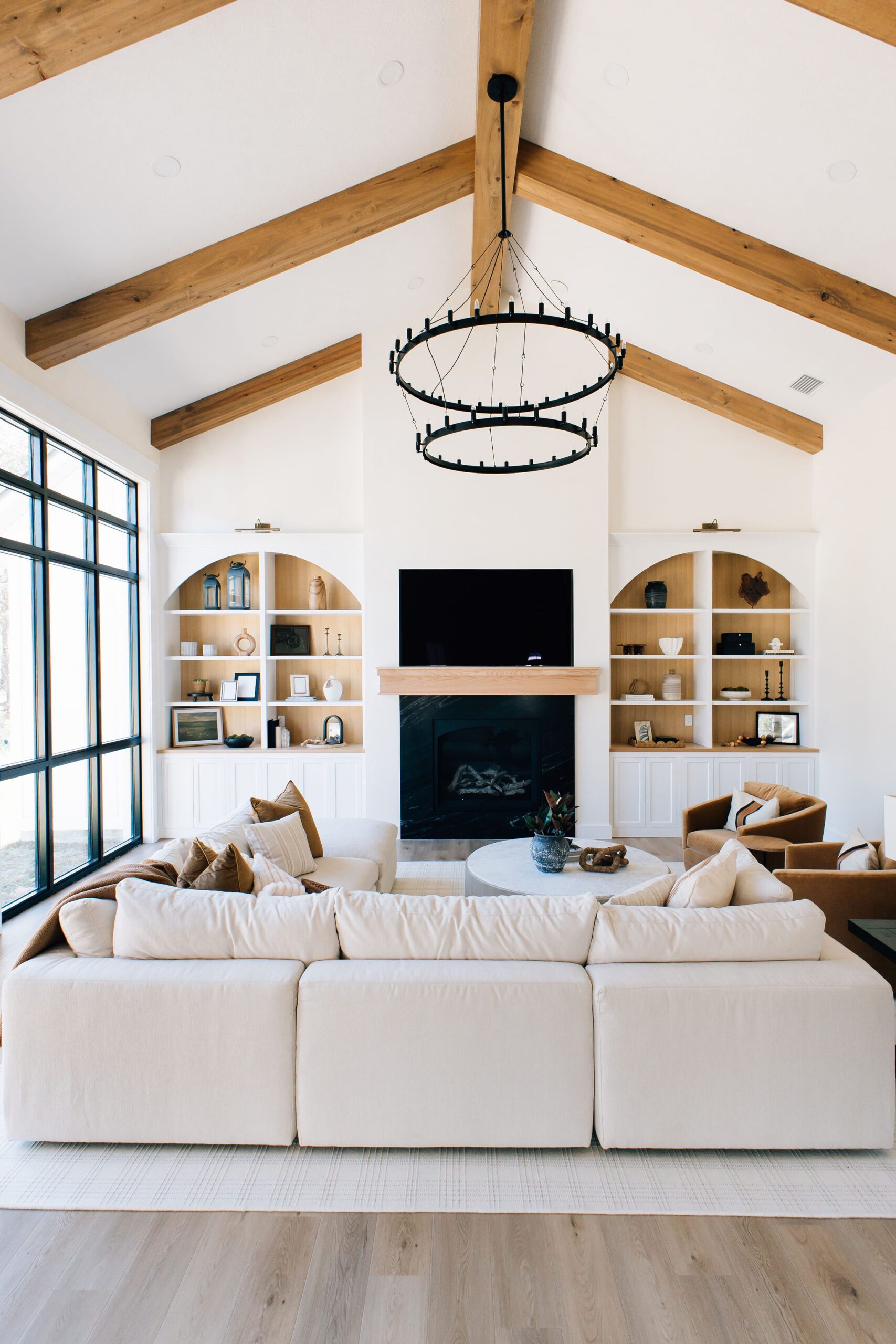
Square Footage Is Only Part of the Equation
Two homes of similar size can have completely different furnishing budgets.
We are currently planning furnishings for one custom home of more than 4,000 square feet with an anticipated furnishings investment of approximately $350,000 to $450,000. For another home under 3,000 square feet, the anticipated investment is closer to $150,000 to $200,000.
The difference isn’t simply that one house is larger. The style, level of customization, number of spaces being completed, quality of the furnishings, window treatments and expectations for the finished home all influence the budget.
This is why I prefer to establish a furnishings budget around the actual home and the client’s priorities instead of applying a generic cost-per-square-foot formula.
Style Has a Price Tag, Too
The aesthetic you are trying to achieve influences what it costs to get there.
A collected home often requires sourcing from multiple vendors rather than ordering an entire matching collection. Custom upholstery allows us to choose the right scale, fabric and configuration for a room, but it also comes at a different price point than mass-market furniture. Large rooms may require oversized rugs, substantial lighting and larger-scale furniture simply to feel appropriately proportioned.
This doesn’t mean every piece needs to be expensive. Good design is knowing where an investment will make the greatest difference and where you can pull back.
The important part is understanding the look you want early enough to create a budget that supports it.
The Categories Homeowners Often Forget
Some of the largest surprises after closing aren’t furniture at all.
Window treatments provide privacy, light control and softness, but custom treatments can represent a meaningful portion of the overall budget.
Closet systems are another common omission. Builder closets may include only basic shelving and hanging rods. Drawers, shoe storage, double hanging and cabinetry require additional planning and investment.
You may also need to budget for decorative light fixtures, artwork, mirrors, rugs, bedding, pillows, accessories, delivery, installation and styling.
Individually, these categories can feel manageable. Across an entire home, they become a substantial part of creating a finished result.
A More Practical Way to Plan
Before construction is complete, make a list of every room you want to furnish and identify the pieces each space will require.
For each room, consider:
What you already own and plan to bring
What needs to be purchased
Which pieces should be custom or higher investment
Which items can be sourced at a lower price point
Whether the room needs window treatments, lighting or a closet system
Whether the room needs to be completed immediately or can wait
Then create a realistic low-to-high range for each space.
This approach gives you a clearer picture than budgeting for “furniture” as one large category. It also helps you make better decisions during construction. You may decide that a builder upgrade is less important than having enough budget for window treatments, a properly scaled sofa or the primary bedroom you want.
The goal isn’t to spend more. It’s to understand the full picture early enough to decide where you actually want to spend.
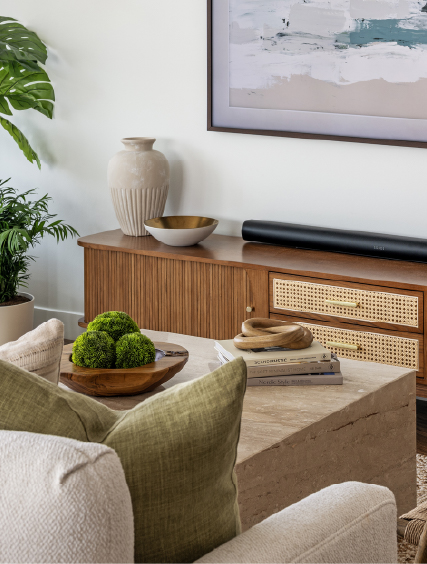
A Finished Home Starts With a Plan
A new home doesn’t need to be completely furnished the day you receive the keys. There is nothing wrong with completing it in phases, especially when those phases are intentional.
The difference is knowing what the finished home will require before construction consumes the entire budget.
If you are building now, start thinking about the furniture before you need the furniture. Decide which pieces from your current home are coming with you, identify the rooms you want completed first, and establish a realistic investment for everything that will happen after closing.
To help you begin, I created a New Home Furnishings Budget Guide with a room-by-room list of common pieces and estimated low-to-high price ranges. It’s designed to help you create a more realistic budget before you move in and identify the categories you may not have considered.
Your builder is helping you create the house. The next layer is creating the home you imagined when you decided to build it.
If you’re building a new home and want help planning beyond the builder selections, explore our Styling & Furnishings Services to learn how we can help establish a furnishings budget, determine what you already own that can be incorporated, and create a thoughtful plan for furniture, lighting, window treatments and the finishing details before you move in.