
Walking into a builder’s model home makes it incredibly easy to picture your life there. Everything feels complete, from the cabinetry and flooring to the lighting, window treatments, millwork, furniture, artwork, and perfectly styled shelves. What is easy to forget is that much of what creates that feeling is not included in the home you are actually purchasing.
I know this because I have made this mistake myself, not once or twice, but three times. Before becoming an interior designer, I built three homes, and while I made some smart upgrade decisions along the way, I consistently underestimated the investment it would take to truly finish each one. Five years into our current home, there are still rooms I am working to complete.
We are sold the vision of the model home, but achieving that finished look takes more than signing a construction contract with builders such as Toll Brothers, Neal Signature Homes, Lee Wetherington, John Cannon Homes, and the many others building throughout our area. The construction contract gives you the foundation, while the character, layers, and personality that made you fall in love with the model often come afterward.
If I were building again today, I would approach the builder selections and everything I plan to do afterward as one complete budget. Here is where I would spend, where I would pause, and what I would intentionally save for later.
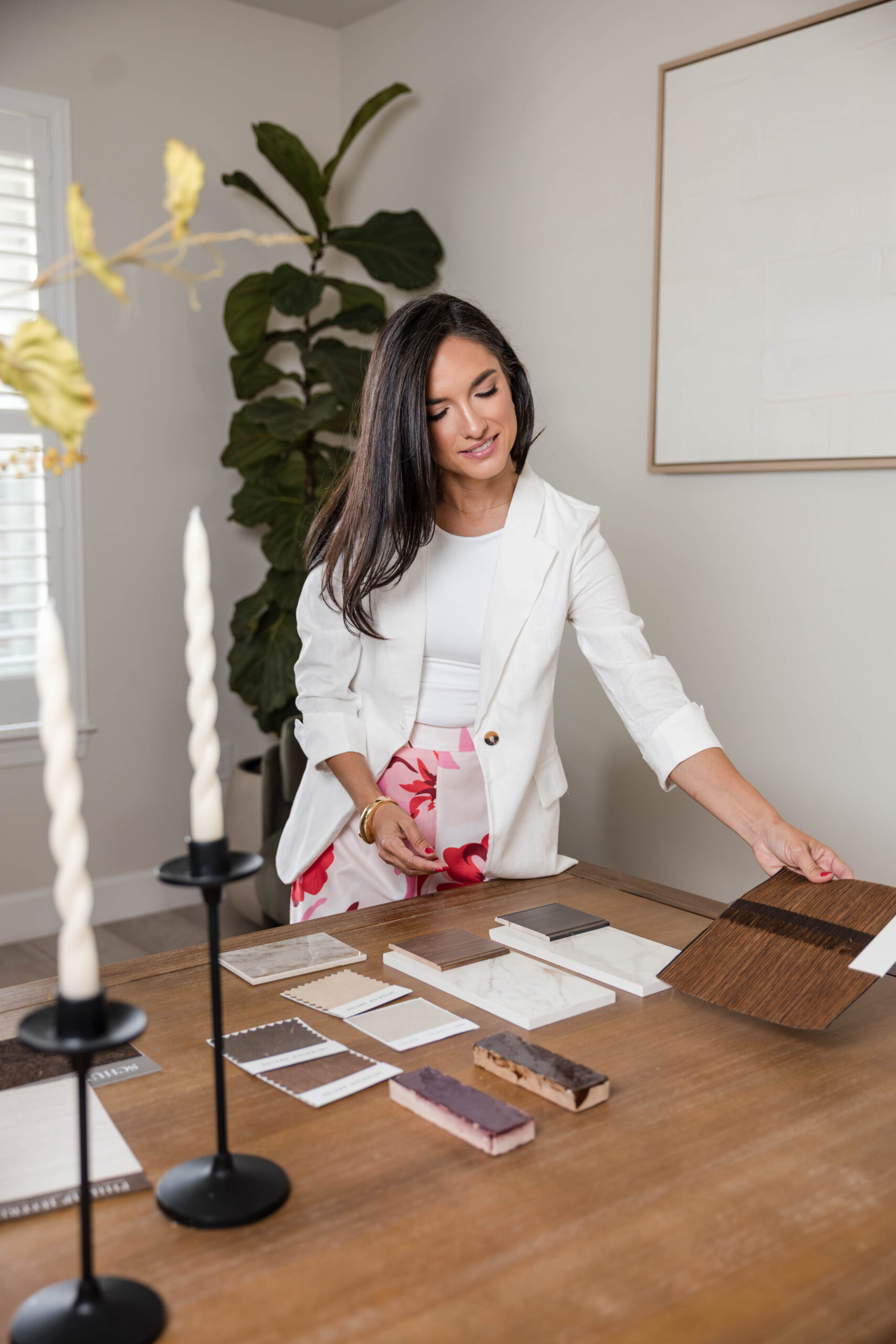
What I Would Upgrade
My general rule is to invest through the builder in the materials that would be difficult, disruptive, or expensive to change once the home is complete.
Cabinetry would be one of my highest priorities. Beyond choosing the door style and color, I would think carefully about the layout, cabinet height, storage features, drawer configurations, appliance panels, and any modifications that would become complicated once countertops, plumbing, and appliances are installed. If you know you want cabinetry to the ceiling or a particular kitchen configuration, this is usually the time to do it.
Flooring is another area where I would spend strategically. Replacing it later means demolition, dust, moving furniture, removing baseboards, and potentially dealing with transitions between rooms. I would prioritize a material I genuinely love and, whenever possible, create consistency throughout the main living areas rather than spending that budget on smaller decorative upgrades.
Bathroom tile belongs in this category as well. Replacing shower tile later can involve demolition, waterproofing, plumbing, glass enclosures, and significant labor. Even if you keep the original design relatively simple, choosing a timeless material you will be happy with for years can prevent a much larger renovation later.
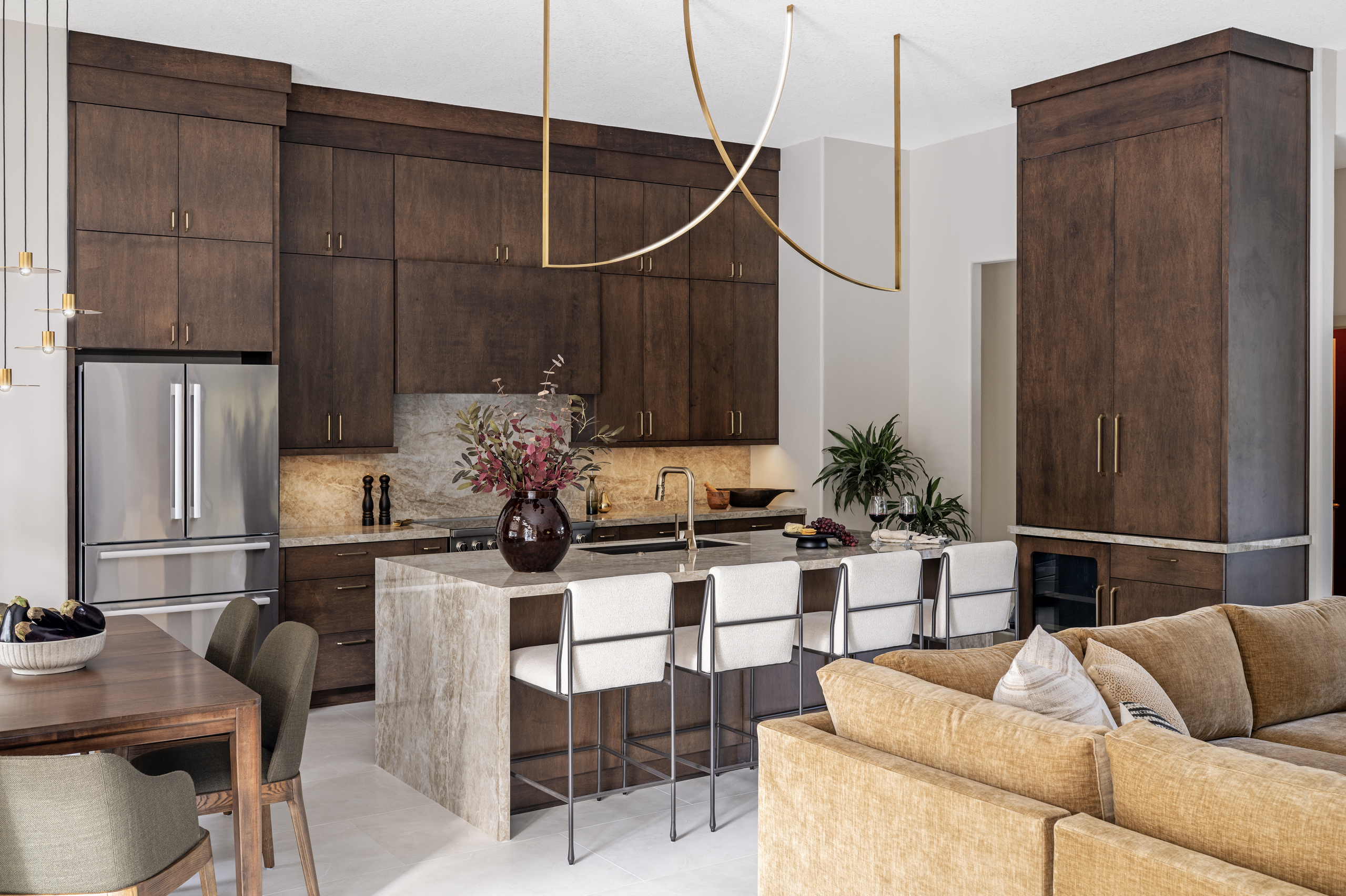
What I Would Consider Upgrading
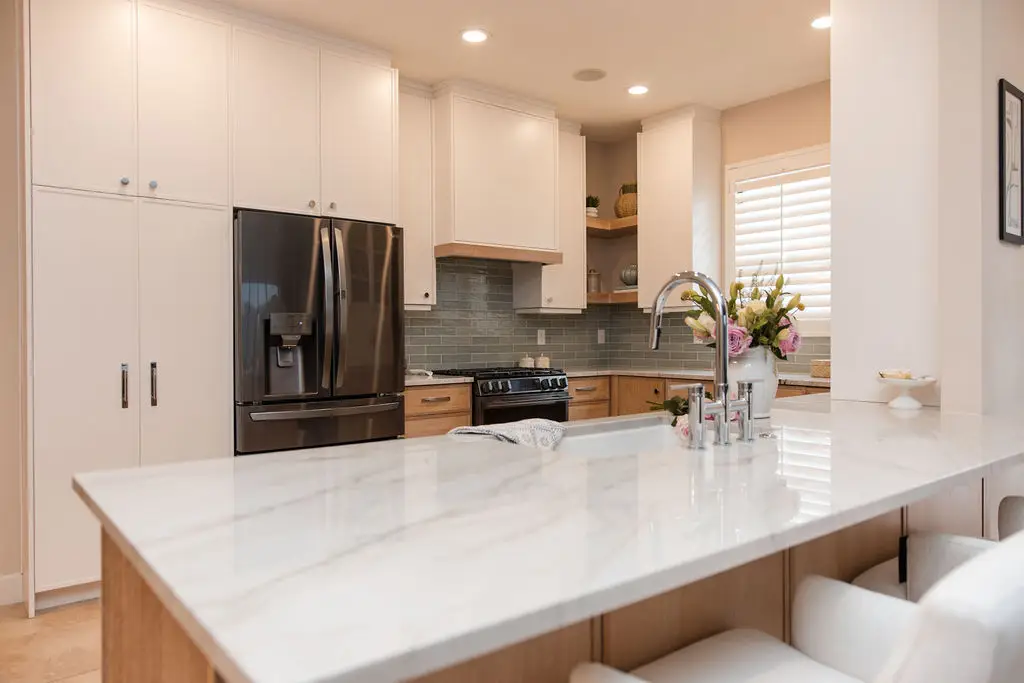
Countertops and plumbing fixtures fall into a middle category for me because they can certainly be replaced later, but whether that makes sense depends on the builder’s selections and pricing.
If the builder offers a countertop you genuinely love at a reasonable upgrade cost, I would consider doing it during construction. Replacing countertops later requires disconnecting plumbing, removing sinks and faucets, and working around cabinetry and surrounding finishes, so there is value in getting them right the first time.
I would approach plumbing fixtures similarly. A kitchen faucet is relatively simple to replace, while a shower system, valve, or wall-mounted fixture can require opening finished walls or tile. Rather than automatically upgrading every fixture, I would evaluate where the additional investment saves you from unnecessary construction later.
What I Would Skip
Decorative lighting is one area where I generally prefer to save the builder upgrade budget. Many production builders offer limited choices, if any, and upgraded packages often rely heavily on fixtures from the same collection. While coordinated lighting can look perfectly nice, I prefer a home that feels collected over time, where fixtures complement one another without matching throughout every room.
Instead, I would focus on getting the electrical plan right. Having junction boxes, recessed lighting, switches, outlets, and wiring in the correct locations gives us the flexibility to select decorative lighting intentionally once the home is complete.
I would also skip most builder paint upgrades. Production builders typically use one color throughout the home, and the paint quality is often not what I would specify for a finished interior. I like creating continuity through the main living spaces, but smaller rooms are an opportunity to develop the story of the home. An office can become moodier, a powder room can introduce wallpaper or a richer color, and bedrooms can have their own personalities while still relating to the rest of the house. I would rather reserve that investment for better-quality paint and a thoughtful whole-home color plan.
The Budget Most Buyers Forget
This is the part I underestimated in my own homes. I planned for furniture and knew there would be projects after we moved in, but I did not fully account for what it takes to make an entire house feel finished.
The model homes that inspire us have layers that are easy to overlook while we are focused on flooring samples and cabinet doors. There are window treatments, decorative lighting, wallpaper, wainscoting and other millwork, built-in cabinetry, fireplace features, furniture, rugs, artwork, accessories, and styling throughout. Window treatments and furnishings in particular are two significant categories that can easily be left out of a new-build budget.
If the goal is to create a polished, model-home level of finish, I would recommend setting aside at least $100,000 for a three-bedroom production home for furnishings, window treatments, lighting, trim details, paint or wallpaper, and decor. For a four- or five-bedroom home with an office, bonus room, loft, or additional living spaces, I would plan closer to $200,000, depending on the size of the home, what you already own, and the quality of furnishings you select.
These are planning numbers rather than hard rules, but they provide a more realistic picture of the investment required to create the home you imagined when you first walked through the model. I would much rather see someone reserve part of their budget from the beginning than spend everything on builder upgrades and discover after moving in that completing the home will have to happen slowly over many years.
I know that experience personally. Five years later, I am still finishing parts of my own home, and it has completely changed the way I advise clients who are building today.
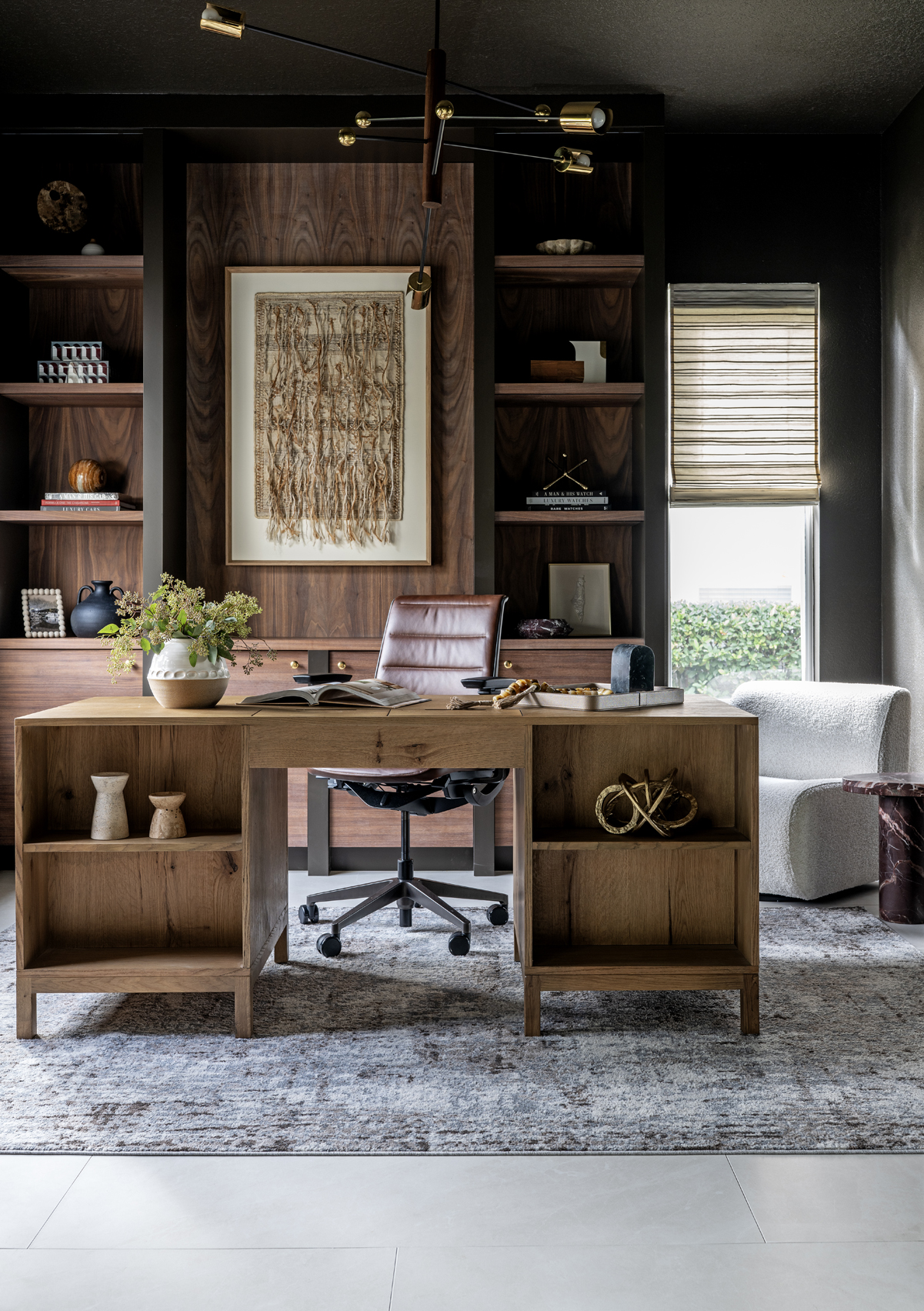
Plan for the Finished Home From the Beginning
A production home can provide a beautiful foundation, and thoughtful builder selections can save considerable time and expense later. The key is knowing which decisions are worth making during construction and which ones are better left for when you have more freedom to personalize the home.
If I were building a fourth home tomorrow, I would spend first on the elements that are hardest to change, keep the builder selections simple where customization is limited, and protect a meaningful portion of my budget for everything that turns the finished structure into a home.
Planning this way allows you to walk into the design center with a much clearer perspective. Instead of asking, “Should I upgrade this?” you can ask a better question: “Is this where I want to invest, considering everything I want this home to become?”
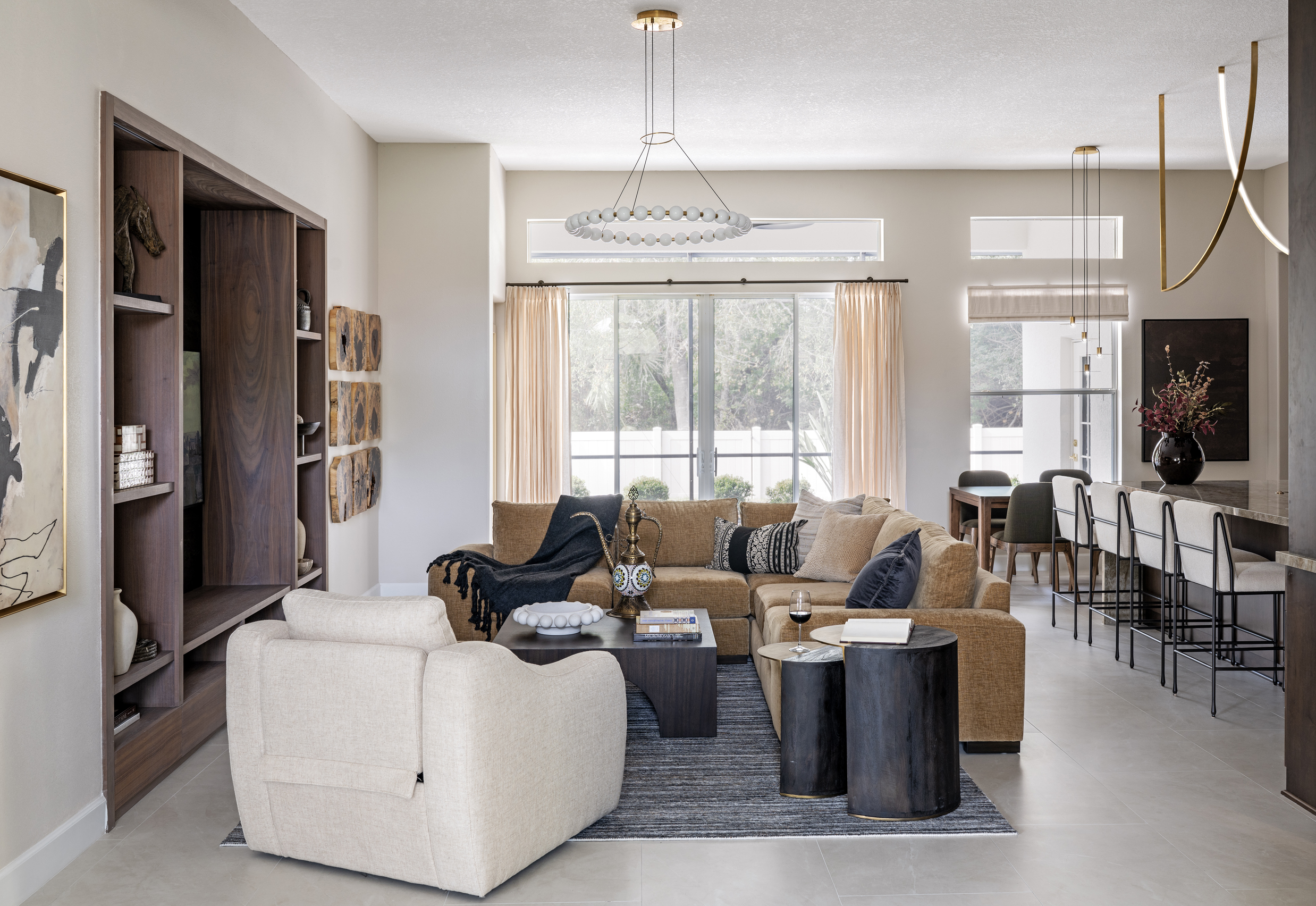
If you are building a new home and want to plan beyond the builder selections, explore our Styling & Furnishings Services to learn how we can help you approach furnishings, lighting, window treatments, and the finishing details with a clear plan and confidence from the beginning.